
The Hide is Coming Back to Life
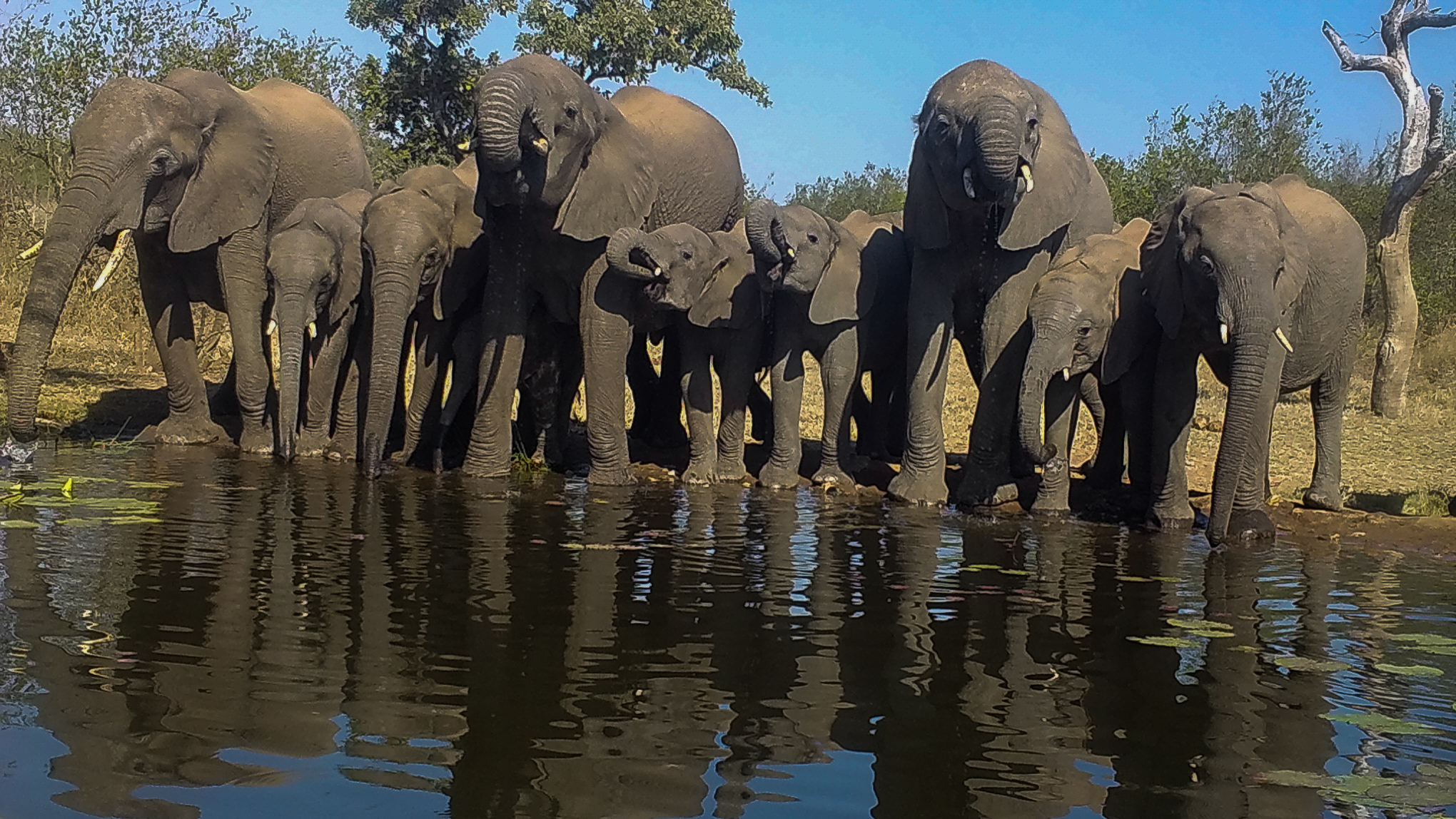
2026 is flying by at a rate of knots, and I suddenly realised that I haven’t written a blog since the floods back in January. Our social media posts have been going out regularly, which has probably been one of the reasons I’ve taken my foot off the pedal when it comes to blogging.
It has certainly been an interesting year, and sightings from the hide have been varied, to say the least.
The first quarter of the year saw very few animals coming through to drink, and I think we can attribute that to the massive amount of water still lying in the veld after the floods. In fact, our usually dry riverbed, the Swartspruit, continues to flow even now—seven months later. In the 27 years I’ve lived on the reserve, I’ve never known it to flow for more than two or three weeks after heavy rains.

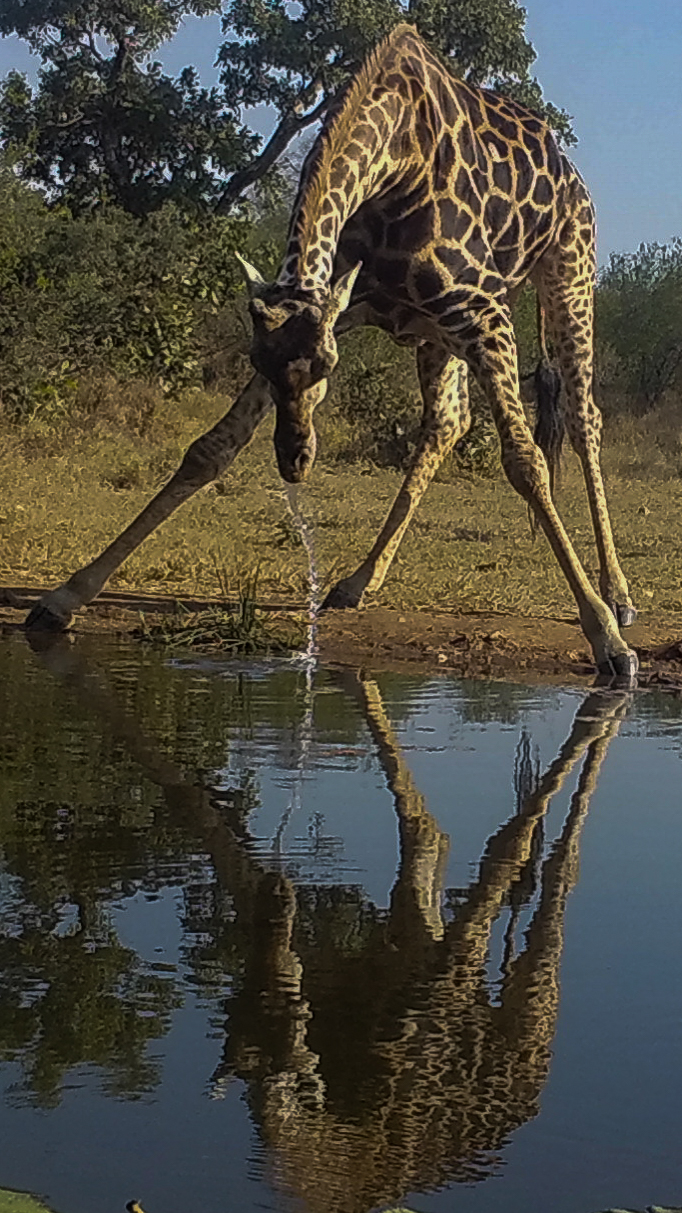
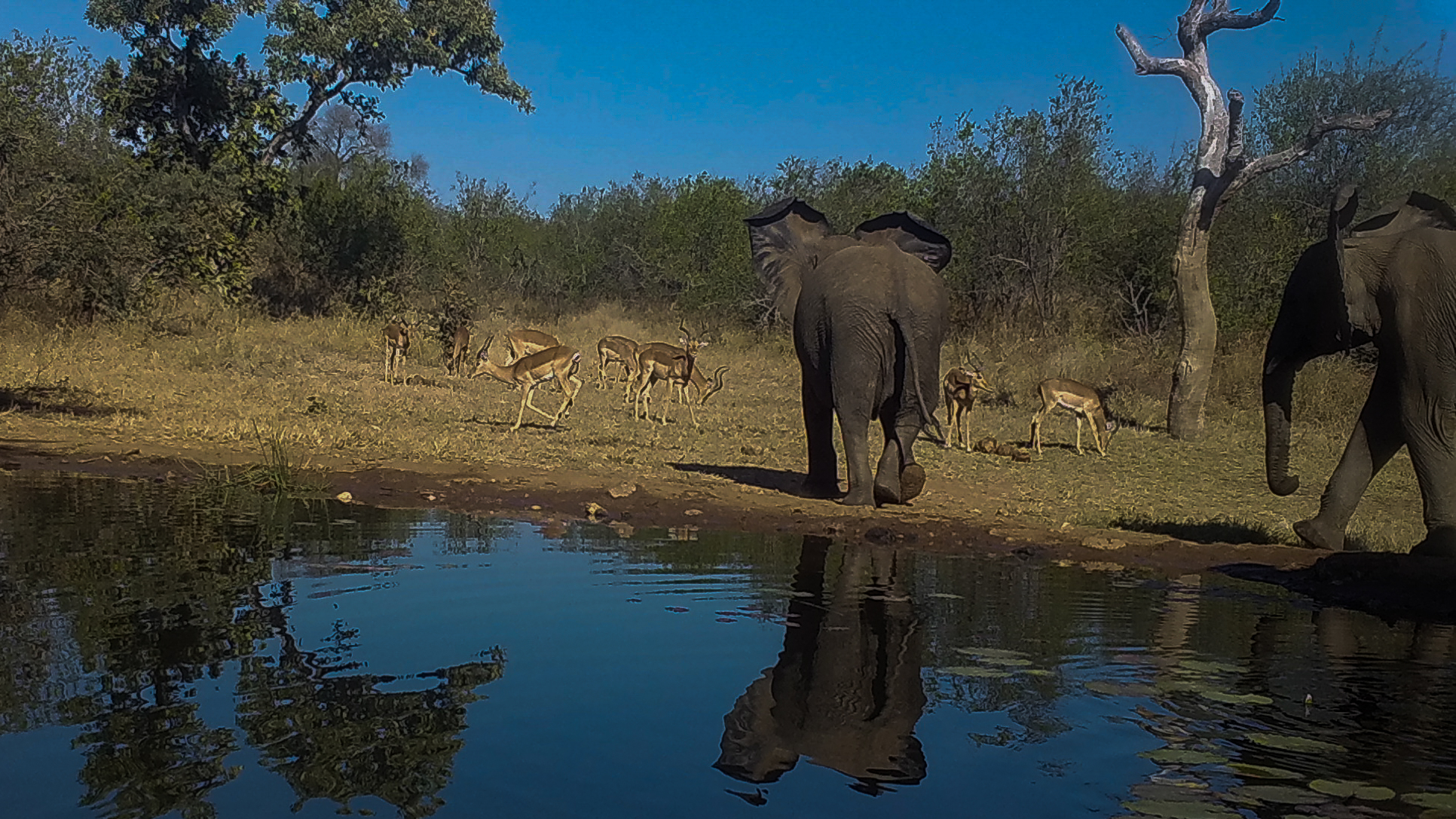
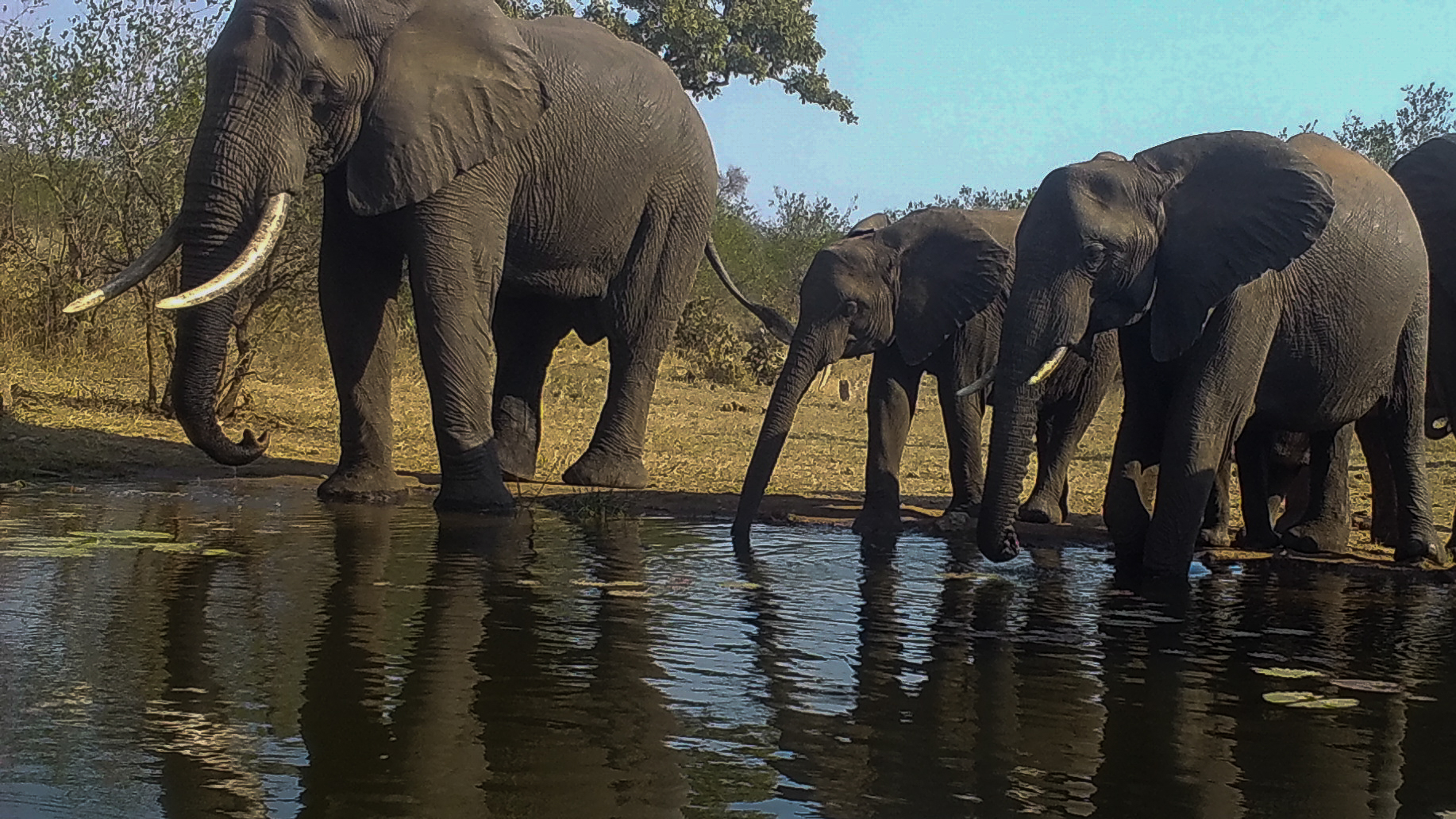
Many reserves across the Lowveld reported lower game sightings than usual, and it is only now, as the veld continues to dry out and the animals begin returning to the more permanent waterholes, that we too have started to see an increase in the frequency of sightings at Umgede Hide.
As with all our records, many of the smaller mammals, such as mongooses, are often missed because the camera isn’t always triggered. At least you can be assured that everything you see on our sightings sheets genuinely visited the waterhole
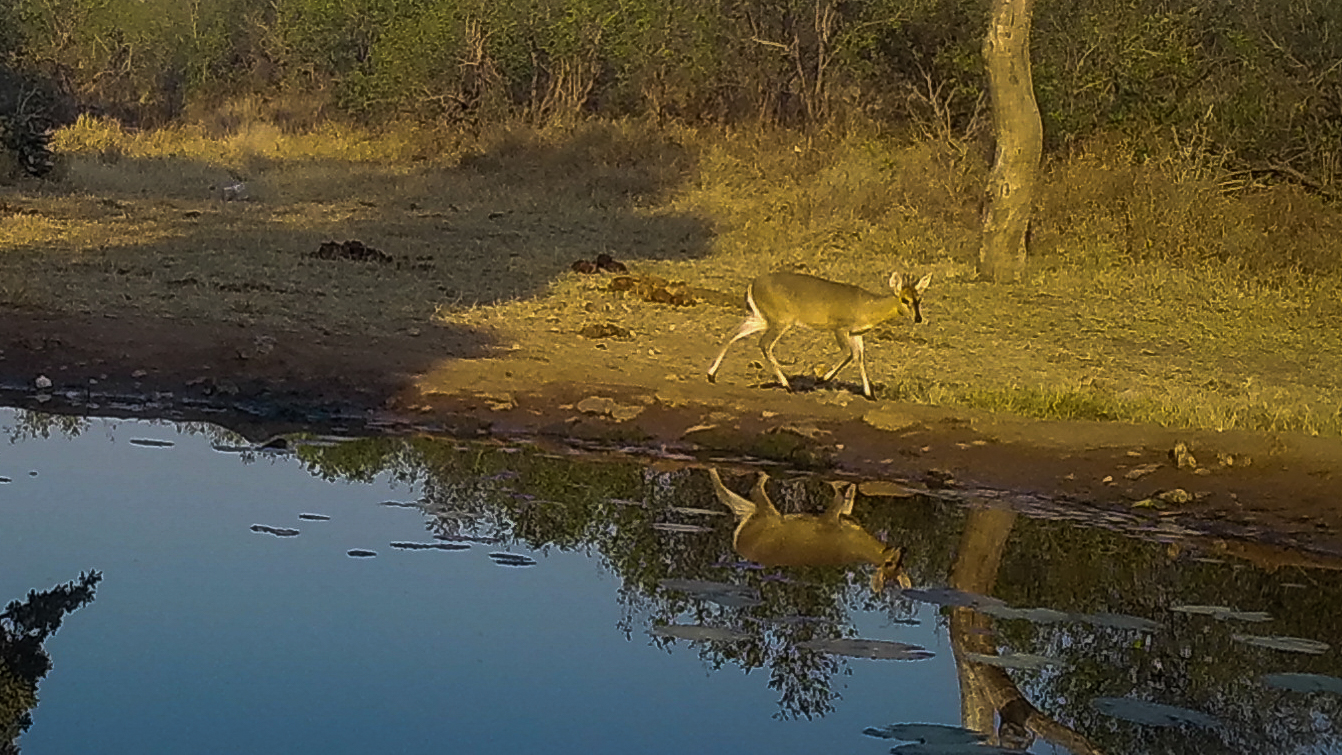
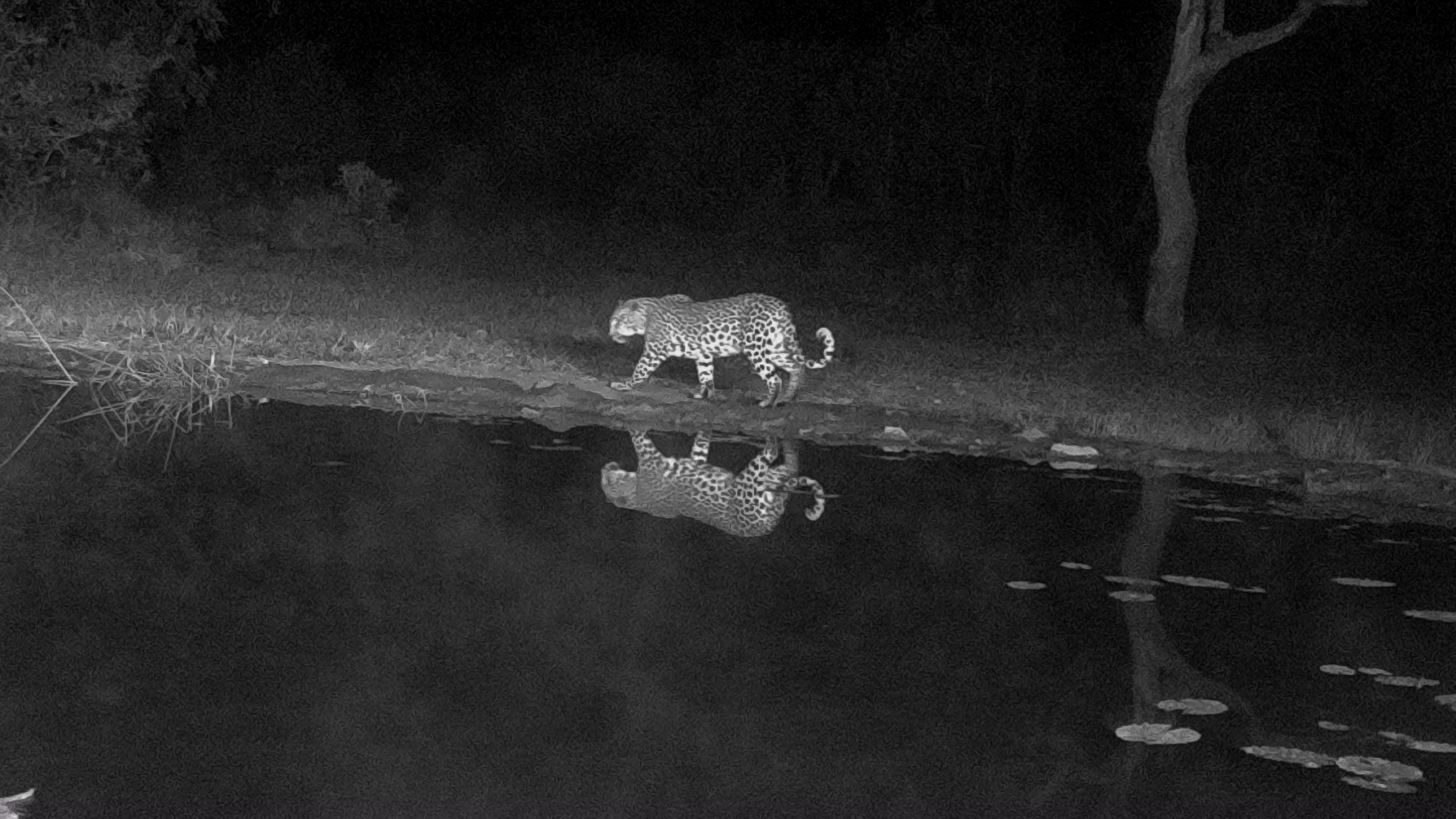
One thing I really noticed was the distinct absence of species such as the Grey Duiker until the last couple of weeks. With plenty of small pools still scattered around and lush green grass remaining in many areas, they have been able to meet their moisture requirements without needing to visit the waterhole. Predators, too, have kept a relatively low profile, although I suspect that may be for a different reason.
The dominant lion pride in this area has had several litters of cubs since the start of the year. The lionesses kept the cubs hidden on a small kopje within easy reach of reliable water and abundant prey, particularly the large impala herds. As a result, the pride had little reason to venture far from this area.
Only now, in July, are the cubs old enough to accompany the adults as they begin exploring further afield. The pride currently consists of four lionesses, one mature male, and an incredible thirteen cubs. It promises to provide some spectacular sightings during the rest of this year and well into the future.
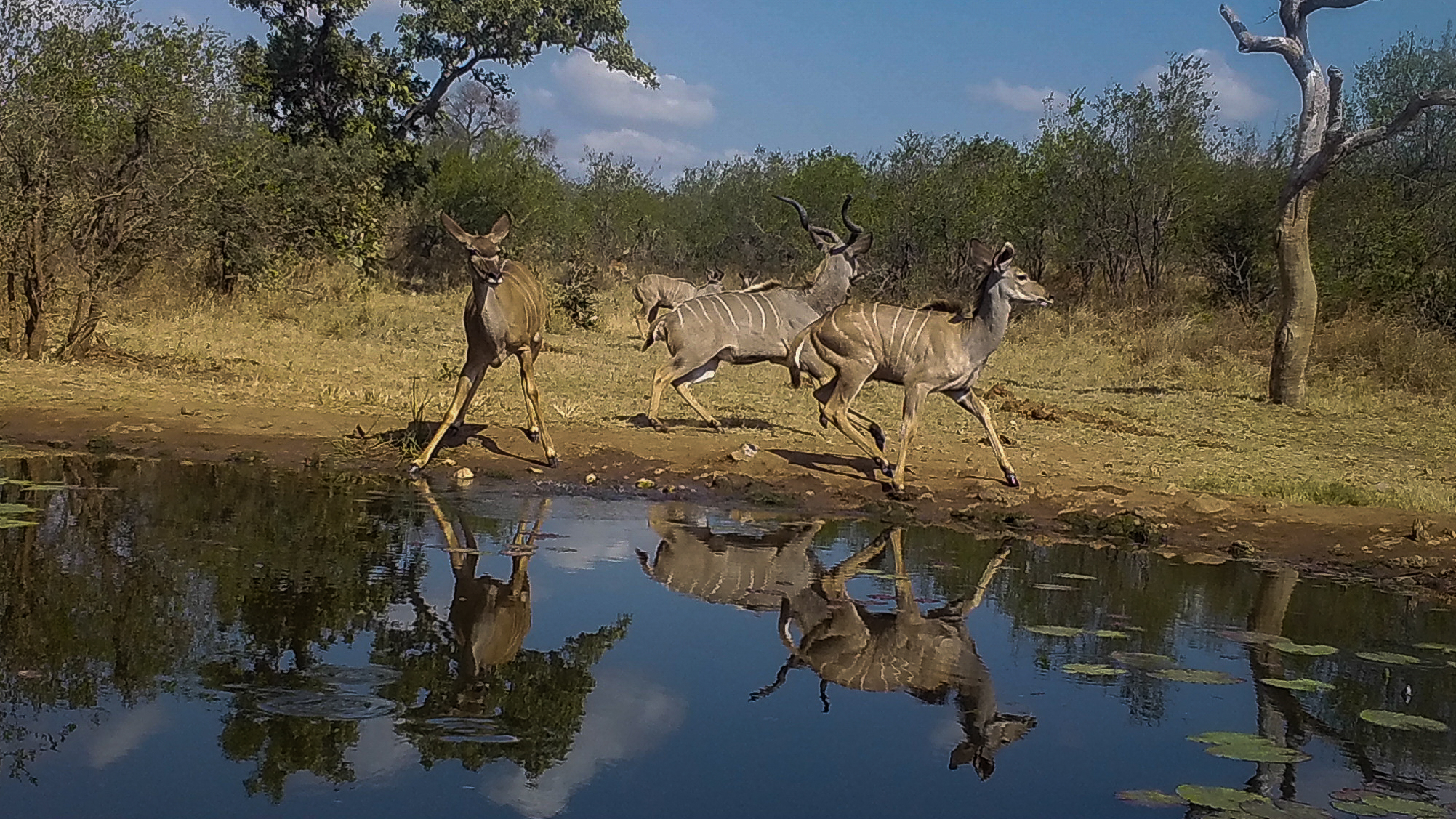

One of the more unexpected sightings recently was the arrival of a crocodile in the waterhole. We have absolutely no idea where he or she came from. Fortunately, Cary and Ian were able to spend a few hours in the hide photographing our surprise visitor before it decided its holiday was over and disappeared back to some other mysterious location.

We also recently installed a new PTZ camera after one of our existing cameras was damaged during the floods. Mounted high in the leadwood tree, it now provides fascinating overhead views of the animals and gives us a completely new perspective on activity around the waterhole.
Like all technology, however, it isn’t perfect. There are still times when the motion sensor fails to trigger a recording, and I’m sure we continue to miss some wonderful moments. Sometimes I think technology is designed purely to keep us humble—and just a little bit frustrated!
Birdlife at the moment is simply stunning and incredibly active. The winter months always bring a splash of colour to the gardens at Antares as the aloes come into full bloom. Their vibrant flowers attract clouds of sunbirds, flitting from blossom to blossom in search of the rich nectar. They provide wonderful viewing and, for photographers, plenty of rewarding—if somewhat challenging—opportunities to capture these tiny, fast-moving jewels.
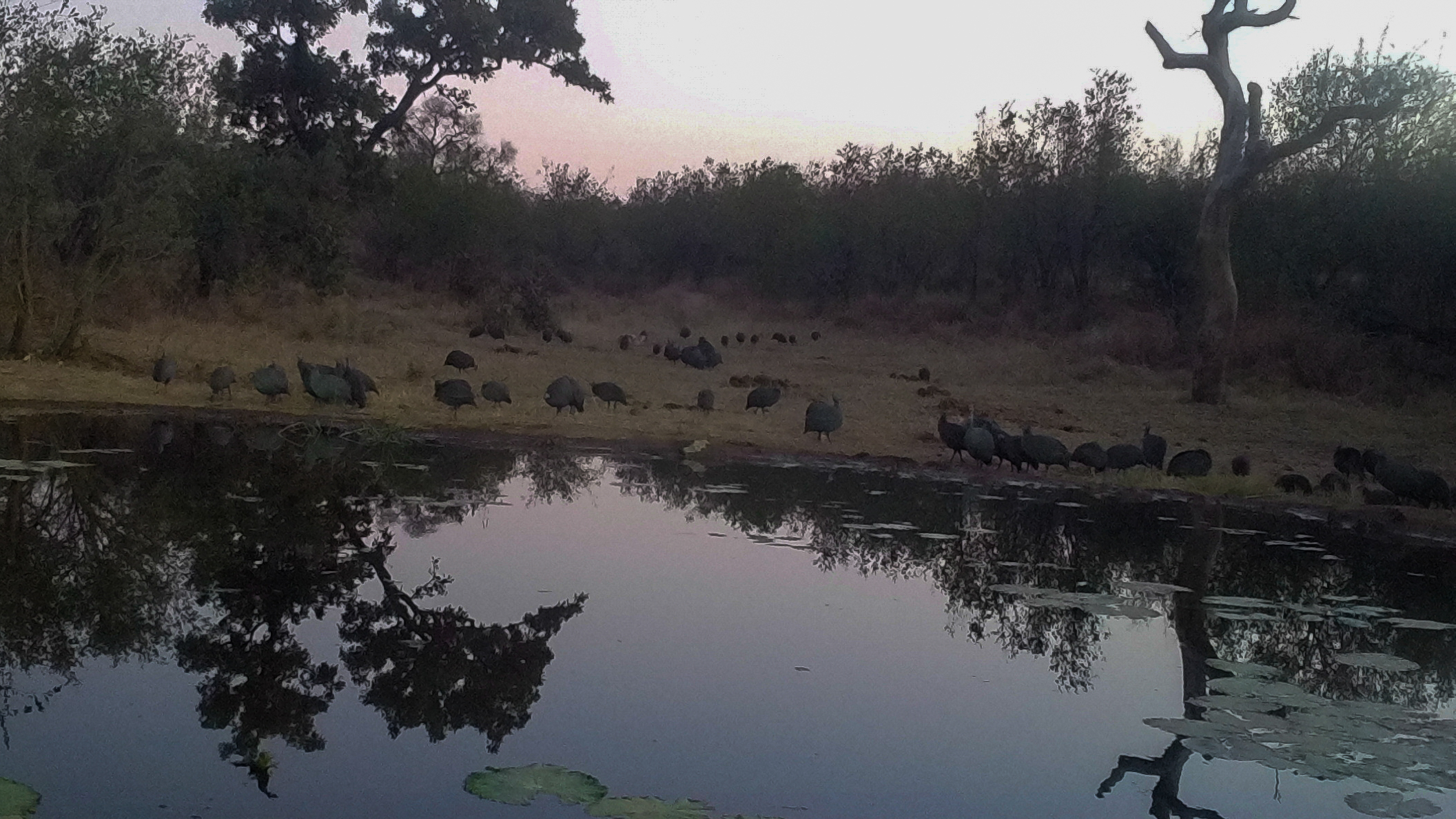
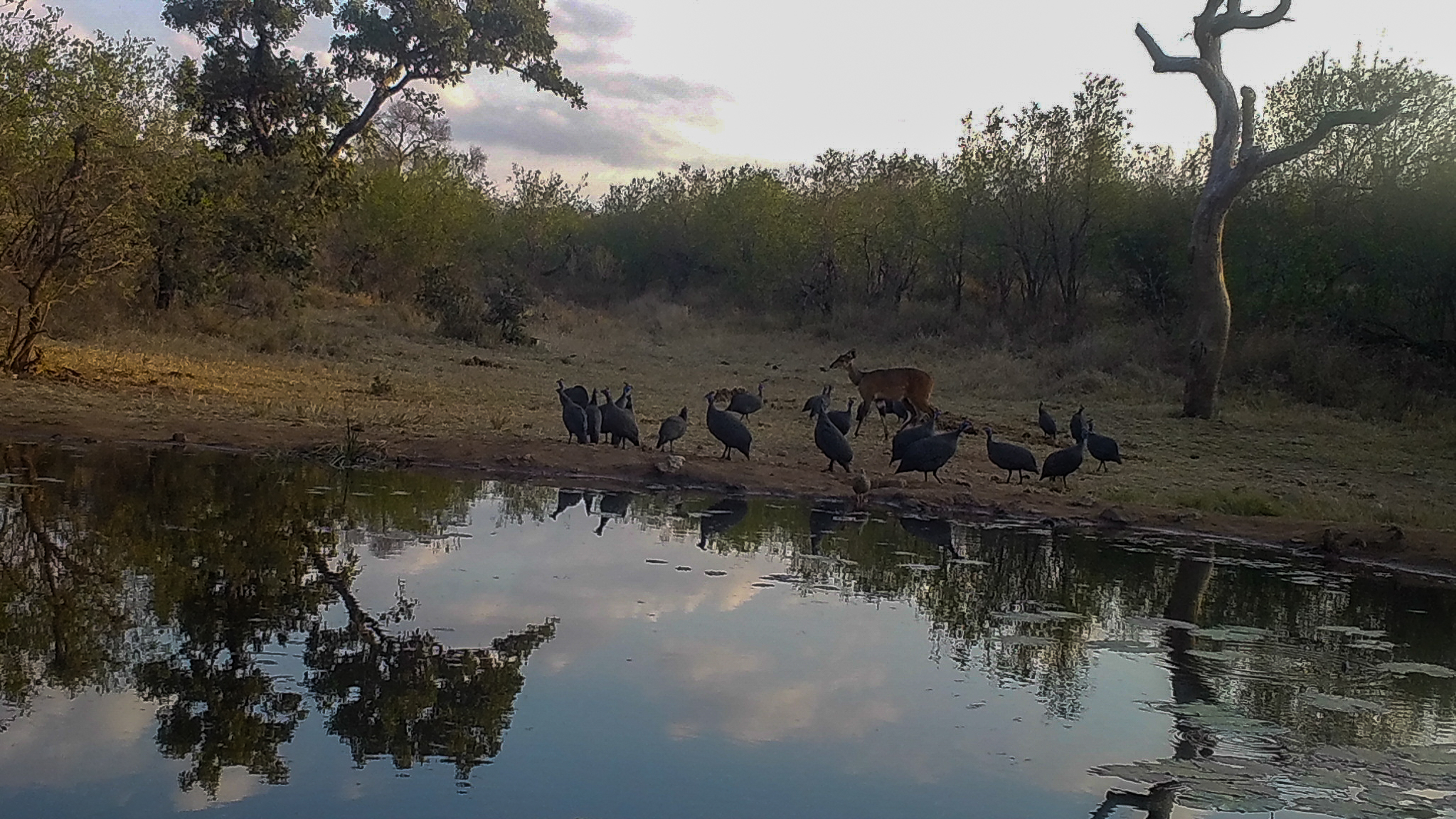
The guineafowl flock has also grown considerably with this year’s successful breeding season. Every evening, almost like clockwork, they arrive at the waterhole just before sunset for a final drink before flying up into the trees to roost for the night in the safety of the garden. It’s one of those reassuring daily rituals that reminds us just how connected the rhythms of the bush are to the changing seasons.
Thankfully, the signs are encouraging. As the veld continues to dry out and more animals return to the permanent water sources, the hide is becoming busier once again. We’re looking forward to seeing what the second half of the year has in store, and with such a healthy lion pride now on the move, we’re optimistic that the months ahead will produce some truly memorable sightings. If the forecasts of a strong El Niño prove correct and conditions become drier, we can expect even more wildlife to concentrate around the permanent waterholes, making for some exceptional viewing opportunities.