
From Winter's Stillness to Spring's Awakening
Time seems to have flown by since my last blog entry — proof, perhaps, of just how busy life at the camp has been. Guests have come and gone in a steady rhythm, while the dry winter days drew a constant stream of four-legged visitors to our waterhole. As the temperatures begin to rise and the air hints at summer, we have welcomed not only our usual feathered friends but also a few scaly ones emerging from their winter retreats.


Memories of a Special Milestone
It already feels like an age since Mel and I travelled to Johannesburg to collect our award. Yet, the memory lingers every time someone congratulates us — whether in camp, on a game drive, or even out in town. The warmth and encouragement have been humbling, and we are deeply grateful. Since that proud moment, the camp has been full most weekends, with familiar faces returning and new guests discovering Antares for the first time.
Wild Encounters — Big and Small
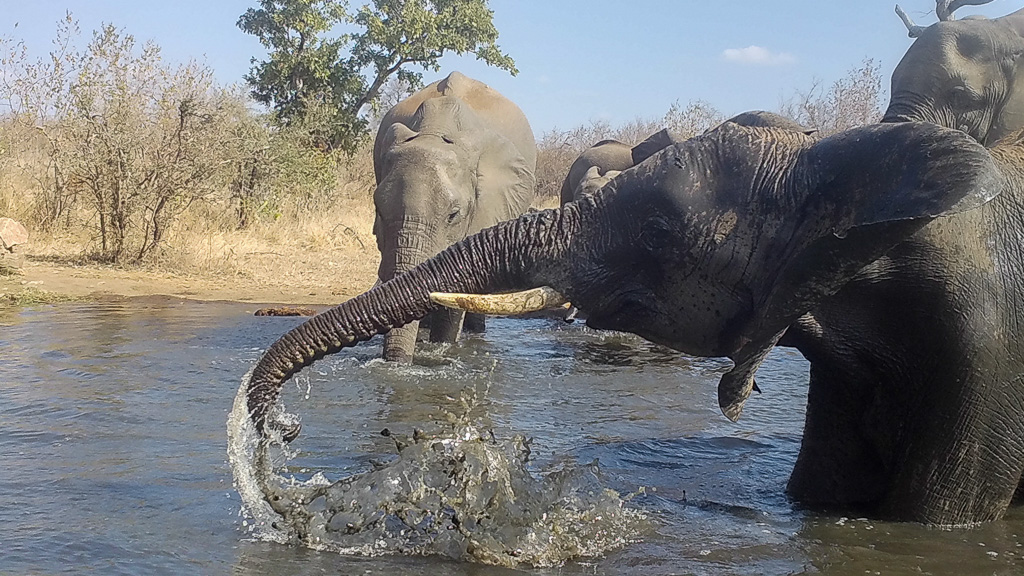
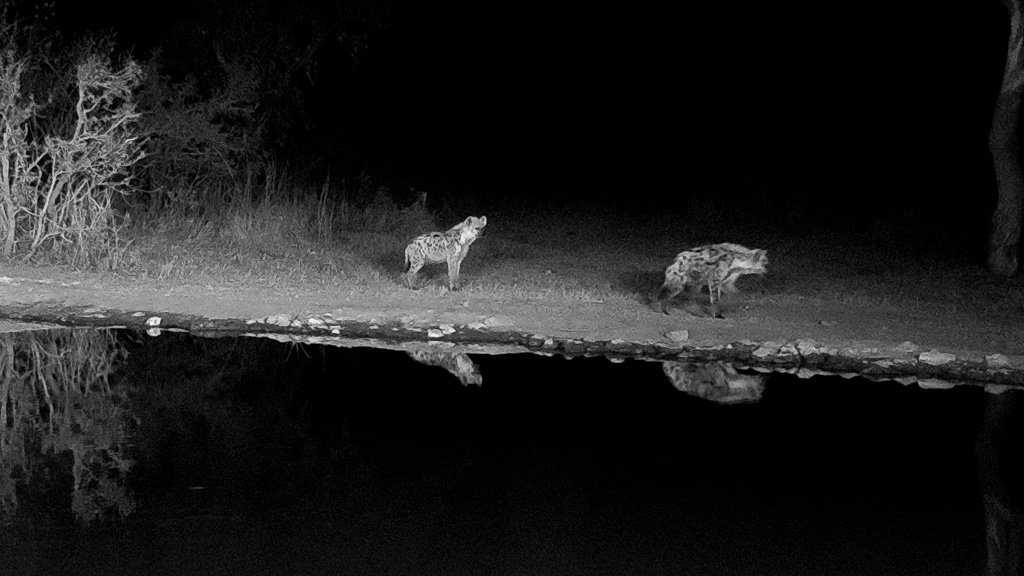
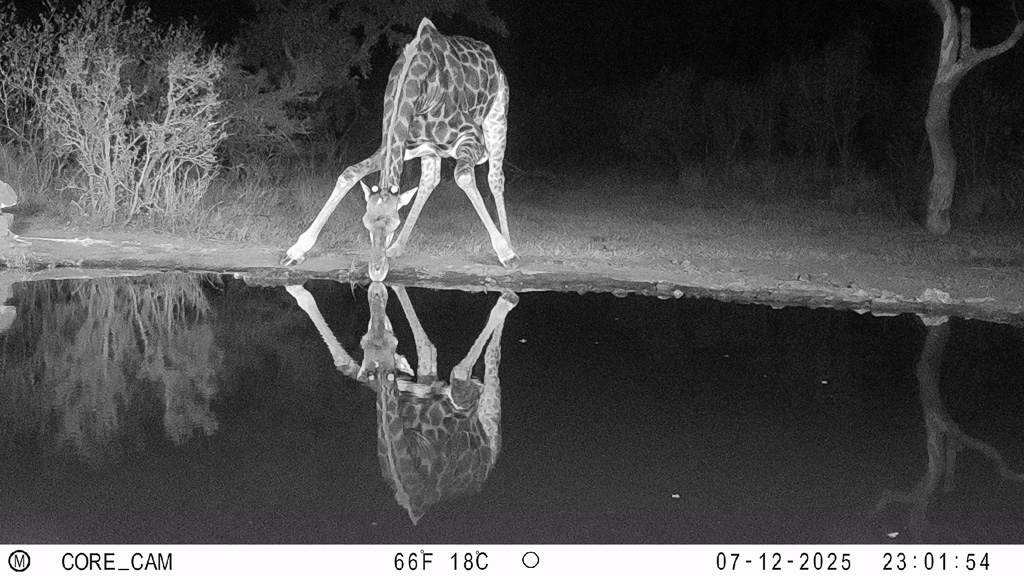
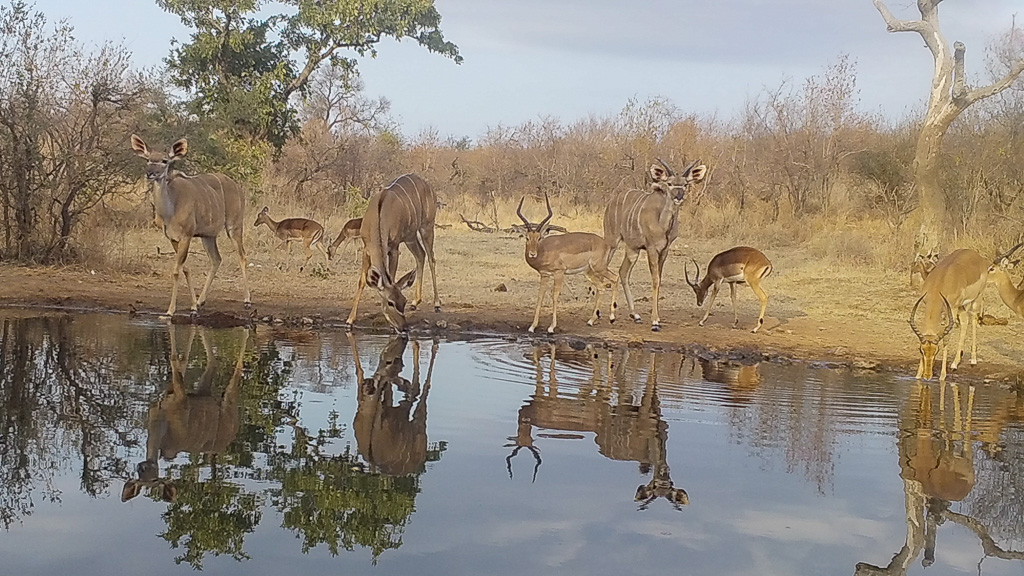
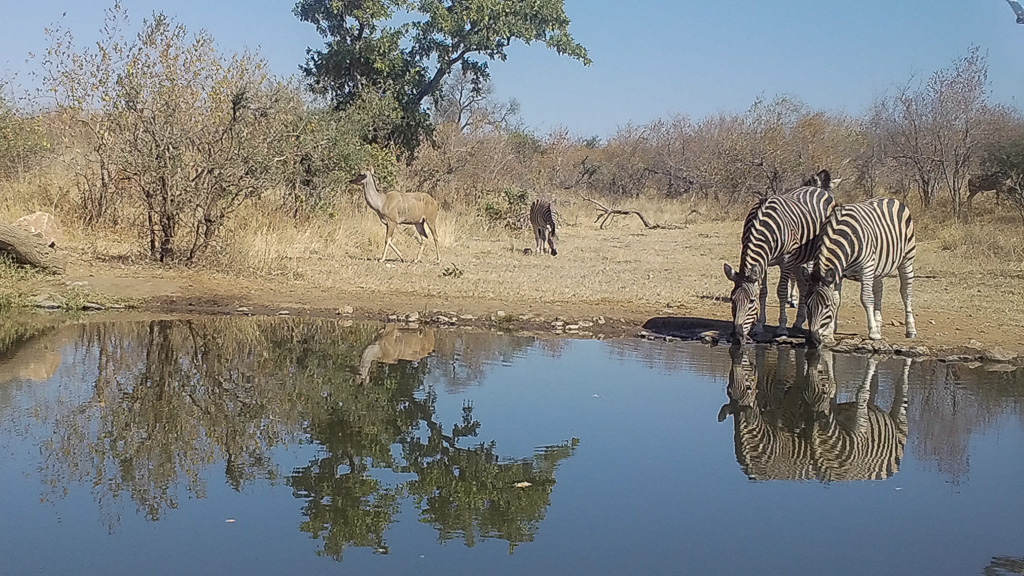
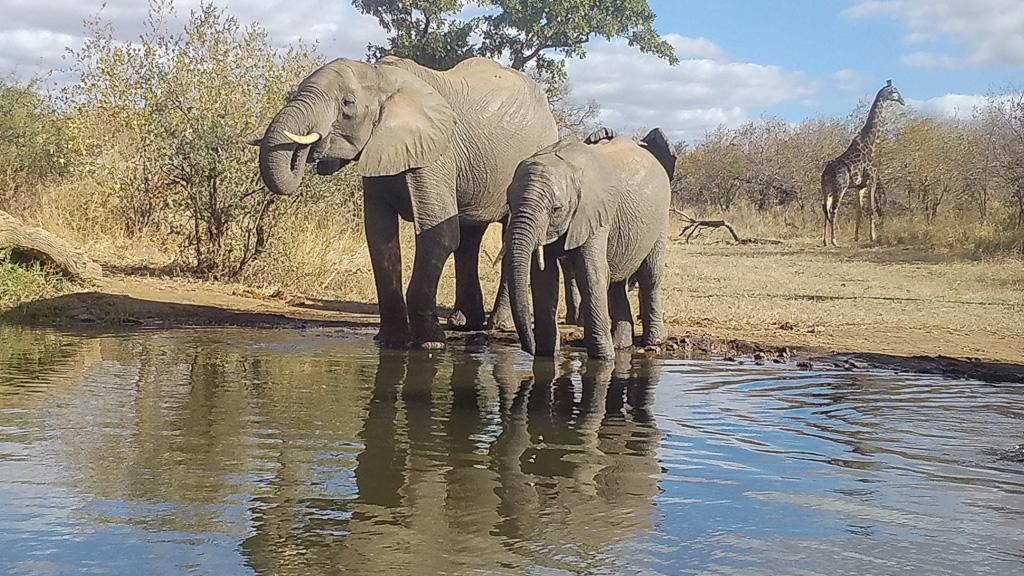
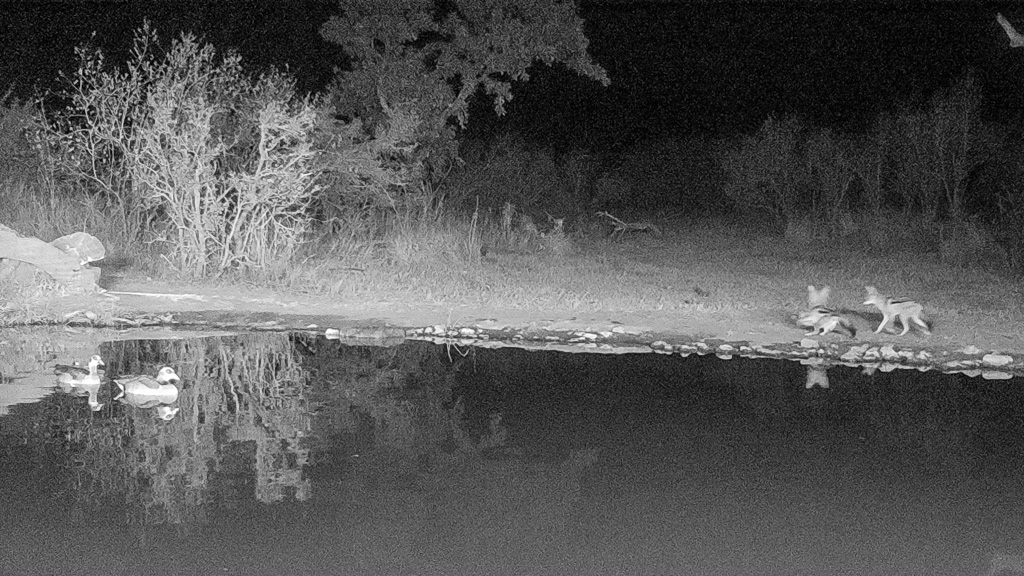
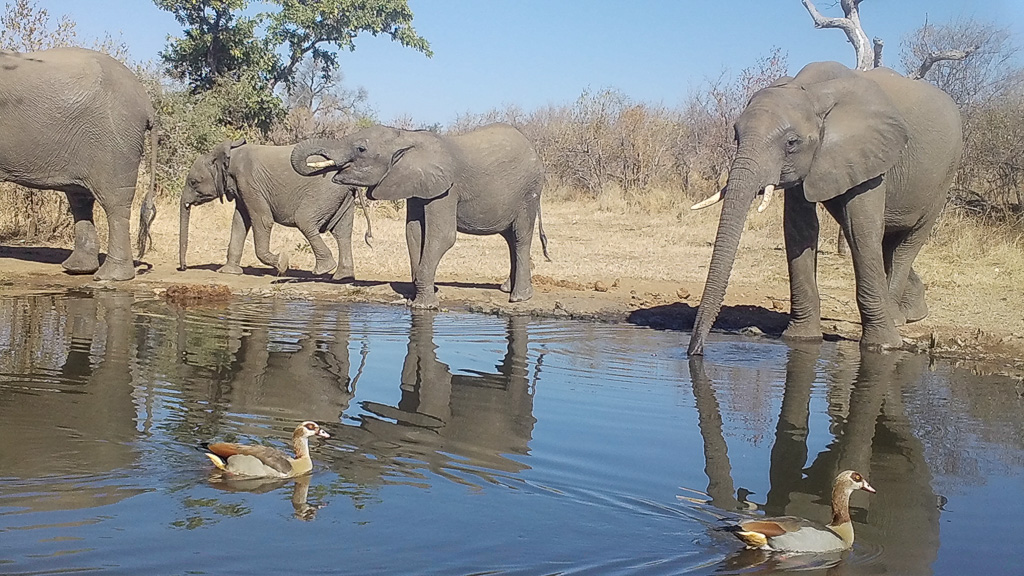
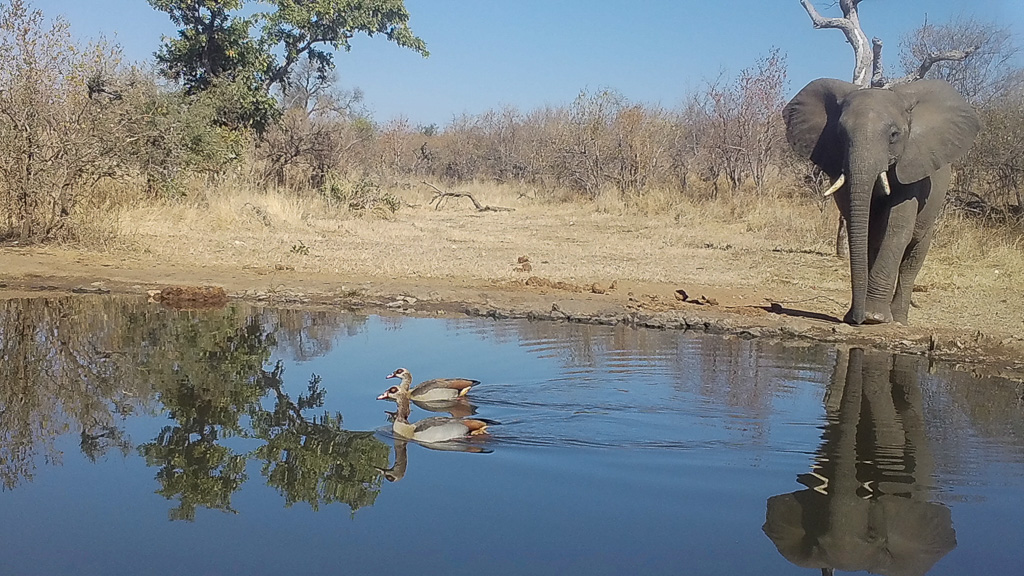
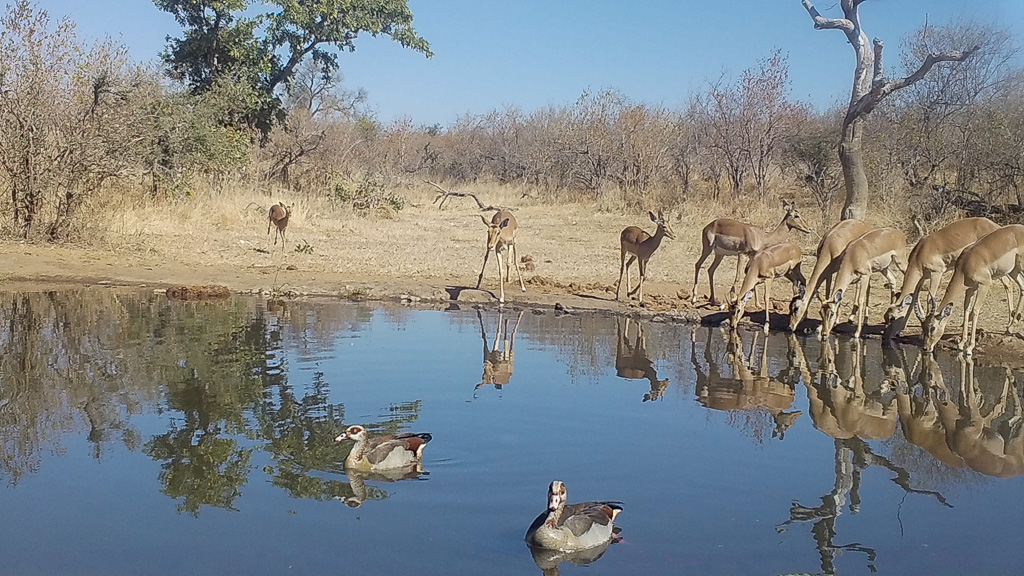
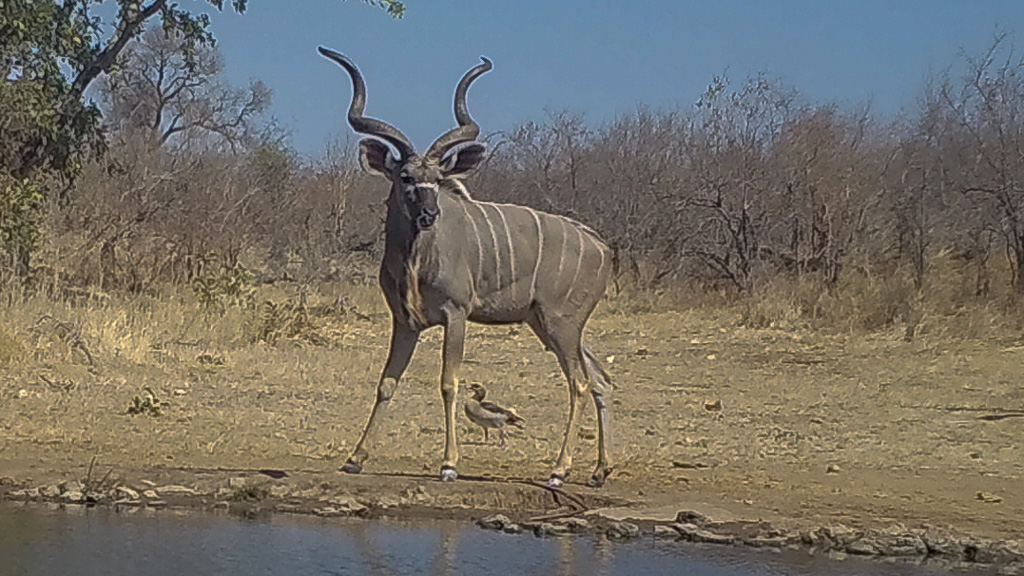
Elephants and impala continue to dominate sightings, but the bush has offered plenty of surprises too. Lions and leopards have made the occasional appearance, while hyenas have been seen on several occasions — always a thrill. More recently, black-backed jackals have started visiting the waterhole, and several giraffe have graced us with their presence. Watching one of these long-legged browsers bend awkwardly to drink is always special, but seeing one do so under the cover of night — around 11 pm — was truly a rare treat.
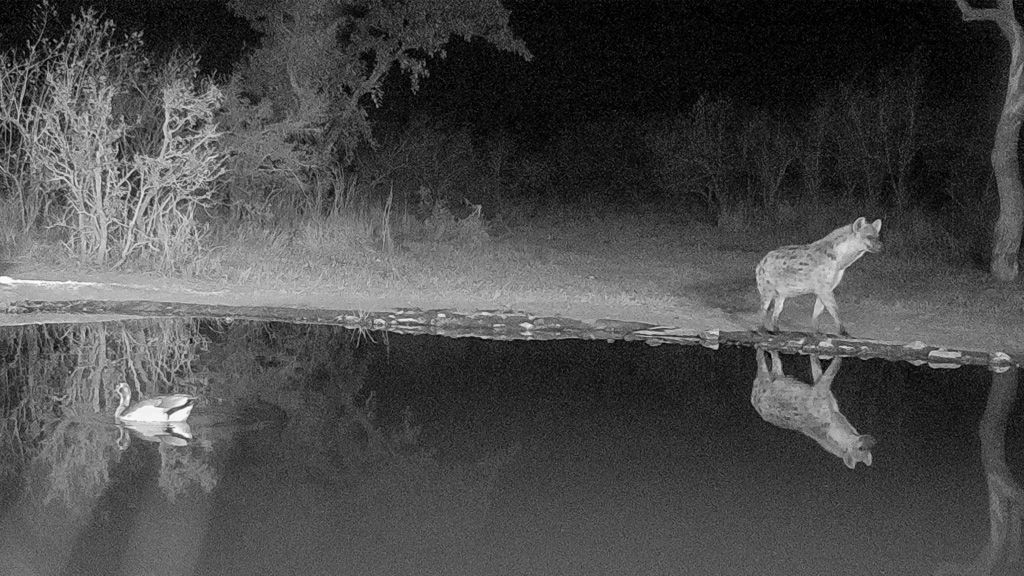


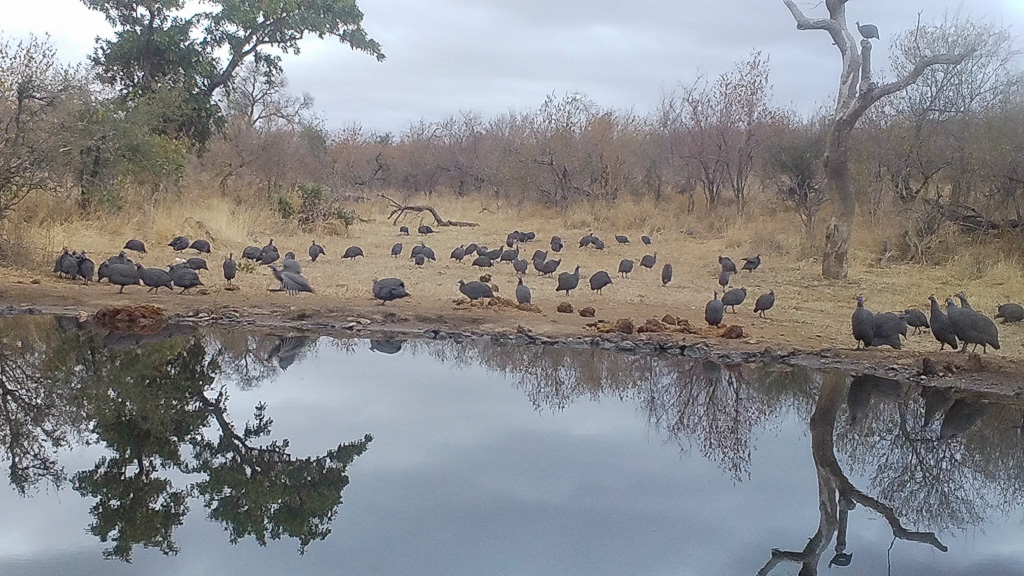
Our birdlife has been just as rewarding. Each morning and evening, flocks of guineafowl sweep in, followed by clouds of golden-breasted buntings, firefinches, green-backed pytilias, and blue waxbills. Egyptian geese have made frequent appearances too, often amusing guests with their antics as they mingle with other species along the water’s edge.The grey heron, hamerkop, and pied kingfisher keep a watchful eye on our fish and frog populations, while the colourful sunbirds and orioles have made the most of the aloes flowering through July. With the hornbills busy preparing their nesting sites, there has been no shortage of activity to keep our guests entertained — and their cameras clicking.
Caring for the Camp
Over the last few weeks, we have turned our attention to some essential upkeep. Years of erosion had begun to expose the roots of our magnificent baobab, so we built a rock wall and backfilled it with soil to slow the loss. The next step is landscaping the area with aloes, impala lilies, and other drought-tolerant plants — adding splashes of colour while staying true to our water-saving ethos. These succulents not only thrive in our climate but also provide food for nectar-loving species during the lean winter months.
The long-awaited solar project is also taking shape. The carport structure is now in place, and we are eagerly awaiting the arrival of the panels and batteries. If all goes according to plan, the system will be fully operational by October or November — finally bringing a three-year dream to life. Aside from reducing our reliance on traditional power, the upgrade will ensure guests enjoy an uninterrupted stay, powered by the African sun.
The Bush Awakens
Weather-wise, August has delivered its usual mix — a few crisp mornings reminding us that winter has not fully loosened its grip, followed by warm days hinting that summer is eager to arrive early. Knobthorn and Cassia trees have burst into bloom, while the first rains have stirred more than just the air. A large leopard tortoise emerged from her winter rest to sip at the waterhole, and a few snakes have also begun to stir.
One particularly memorable encounter saw me summoned by the staff to investigate a cobra near the hide. On moving a rock, I discovered what I thought was a Mozambique spitting cobra biting its own tail. Closer inspection revealed a far more dramatic scene — it was eating a smaller spitting cobra. After some careful manoeuvring, I caught the larger snake, placed both into a container, and released them away from camp. The smaller one, sadly, did not survive — but by the time I opened the container, it was already gone, swallowed whole by its victor.
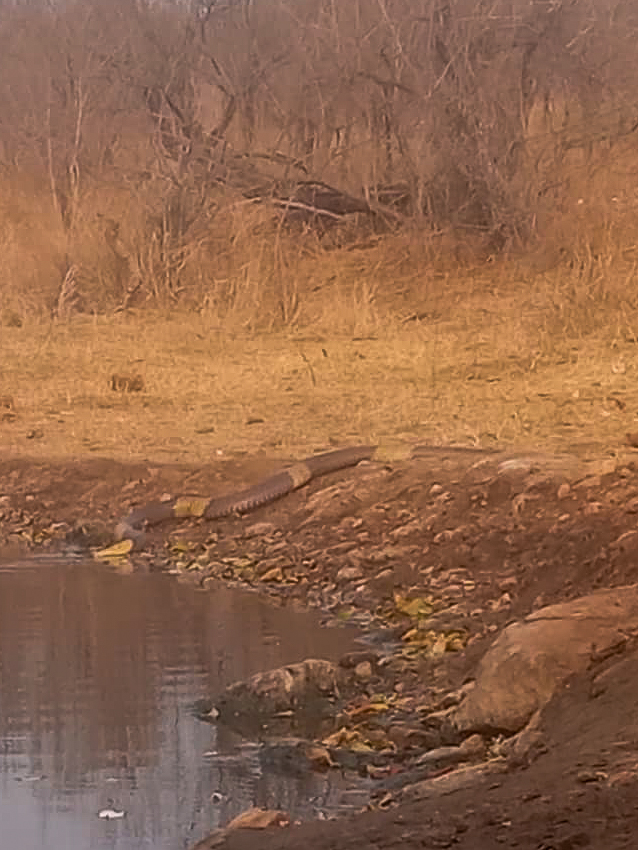
The excitement did not end there. Days later, I relocated an impressively large snouted cobra, only for the staff to send me a photo the following day of an even bigger banded cobra — most likely a male, drawn by the scent of the female I had just removed. It is not every week you get that much drama right on your doorstep!
Check out the full video on YouTube here https://youtube.com/shorts/0qPu9dua-C4
Looking Ahead
As winter fades and summer looms, the bush promises more surprises, more colour, and more life. Each day brings a shift in sound, scent, and sight — a reminder that this is a place where change is constant and the wild is always just a heartbeat away.
Until next time, may your days be as full of life as ours are here at Antares.